
Walk into most home gyms and you’ll see a treadmill gathering dust, a set of dumbbells nobody’s touched in weeks, and maybe a stationary bike doubling as a clothes rack. The rowing machine tends to get used differently. People who stick with it actually stick with it, and once you understand what the machine is doing to your body in a single stroke, it’s not hard to see why.
Let’s take a closer look and work out why so many people end up calling the rower the best piece of equipment they own.
What Makes Rowing Different From Everything Else?
A rowing machine works almost everything at once. Each stroke pulls in your legs, your back, your core, your arms and your shoulders, all in one coordinated movement. That’s roughly eighty six percent of your muscles firing in a single repetition, a figure that comes up constantly in rowing circles. You’re not just burning calories here. You’re building strength through your posterior chain while your heart rate climbs at the same time, and that combination is hard to find anywhere else in a gym.
This full-body demand is also why rowing tends to burn through calories faster than people expect going in. A hard twenty minute session on a rower can match or beat the same time spent running, but your knees barely notice the difference afterward.
Low Impact without Losing Intensity
Running is hard on knees and hips. Jumping rope is worse. A rower keeps you seated on a sliding carriage the whole time, so there’s no landing force, no jarring, none of the repetitive pounding you get from most other cardio. That’s what makes it work for a twenty five year old training for a marathon and a sixty year old easing back into fitness after a knee issue, sometimes on the exact same machine, just dialled to different resistance levels.
This is also why rowers show up so often in rehab settings. Physical therapists tend to like them because patients can train cardio and strength together without the impact that would otherwise set their recovery back.
Posture Improves Almost Without Trying
A lot of people spend their whole day hunched over a desk or staring down at a phone, and that posture slowly weakens the muscles running down the back without anyone really noticing. Rowing pushes directly against that pattern. Every stroke pulls your shoulder blades back and works your upper and lower back at the same time. Give it a few months and plenty of people find they’re just standing straighter, without ever consciously working on it. Not many cardio machines fix bad posture as a byproduct of simply using them.
Teaches you Something Treadmills Never Will
Rowing has a technical side to it that keeps things interesting well after a treadmill run would start to feel like a chore. There’s a proper order to each stroke: legs first, then back, then arms, and the reverse coming back. Getting that timing right becomes a challenge of its own, and it keeps your brain switched on in a way that zoning out on a stationary bike just doesn’t.
That said, bad form on a rower causes real problems. Rounding your back under load, or pulling with your arms before your legs have finished driving through, puts strain on your spine that doesn’t need to be there. If you’re new to it, spending a few sessions on technique before you worry about intensity will save you from habits that are a pain to unlearn later on.
Why So Many People Are Switching to One at Home
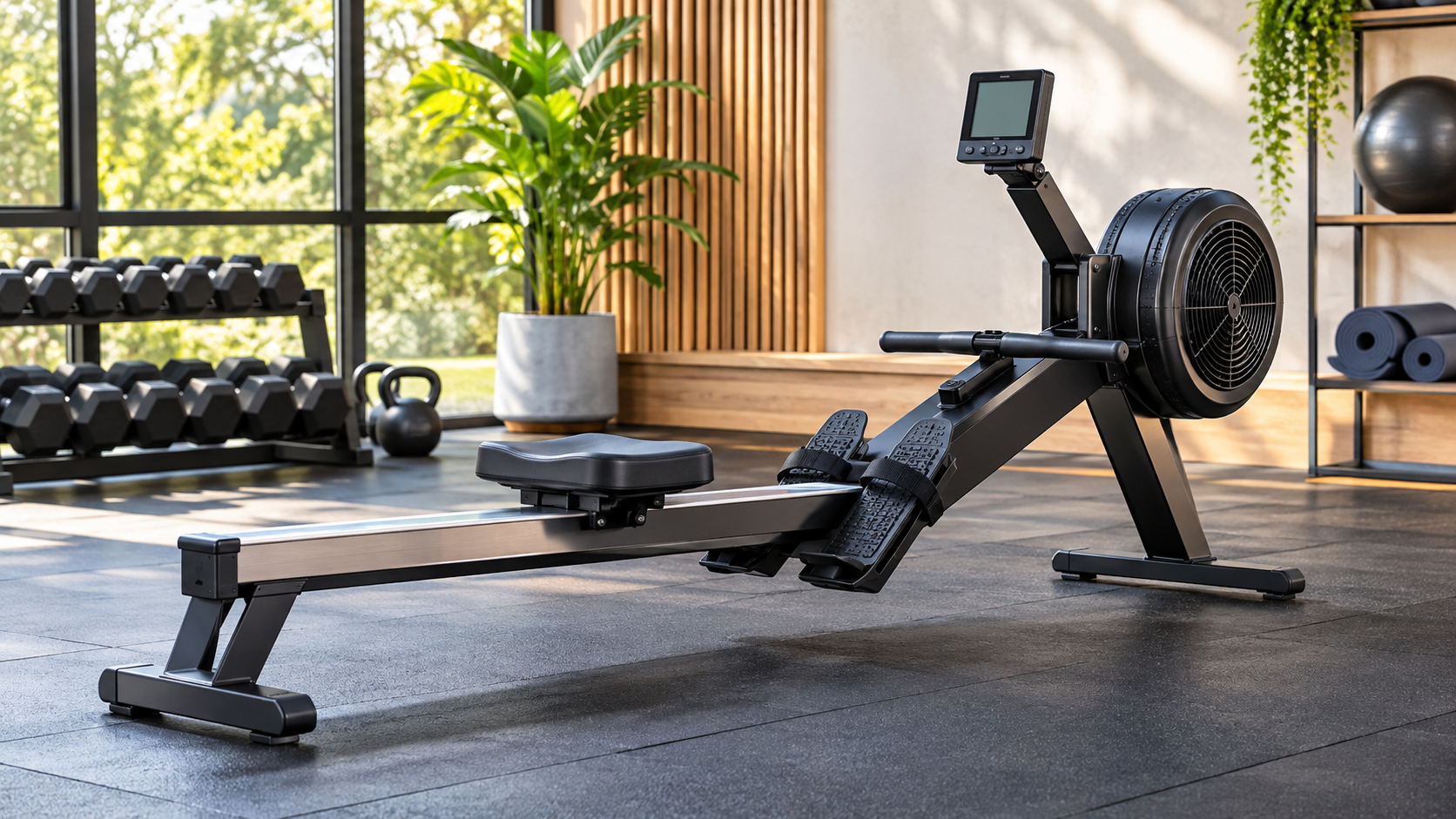
Gym memberships add up fast, and a lot of people have figured out that one good piece of equipment at home can cover more ground than an entire gym floor. That’s part of why interest in the best rowing machine for home use has climbed so much over the last few years. Rowers also fold up or stand upright for storage, which matters if you’re working with a spare room or a corner of the garage instead of a dedicated training space.
Choosing a Resistance Type
| Resistance Type | Feel | Best Suited For |
| Air | Mimics rowing on open water | Serious cardio training, varied intensity |
| Magnetic | Quiet, smooth and consistent | Early morning or late night sessions |
| Hydraulic | Compact, lower resistance ceiling | Lighter training, smaller spaces |
If you’re weighing up a rowing machine for sale, matching the resistance type to how you’ll actually train matters a lot more than just chasing the highest spec sheet.
Trying a Rowing Machine Before Buying
Buying a rower sight unseen online is a bit of a gamble, mostly because seat height, handle feel and stroke length vary more between models than most people expect. Testing a few in person at a fitness equipment store in Melbourne lets you actually sit down, pull a few strokes, and feel whether the resistance curve suits you before handing over any money. It’s a bigger purchase than a set of dumbbells, so the extra ten minutes is worth it.
Is a Rowing Machine Worth Adding to Your Home Gym?
No single machine does everything perfectly, but rowing comes closer than most. It trains your whole body in one movement, goes easy on your joints, fixes your posture as a side effect, and scales from a gentle recovery row to a brutal interval session depending on how hard you want to pull. If you’re only ever going to own one piece of cardio equipment, there’s a strong case this is the one worth having.