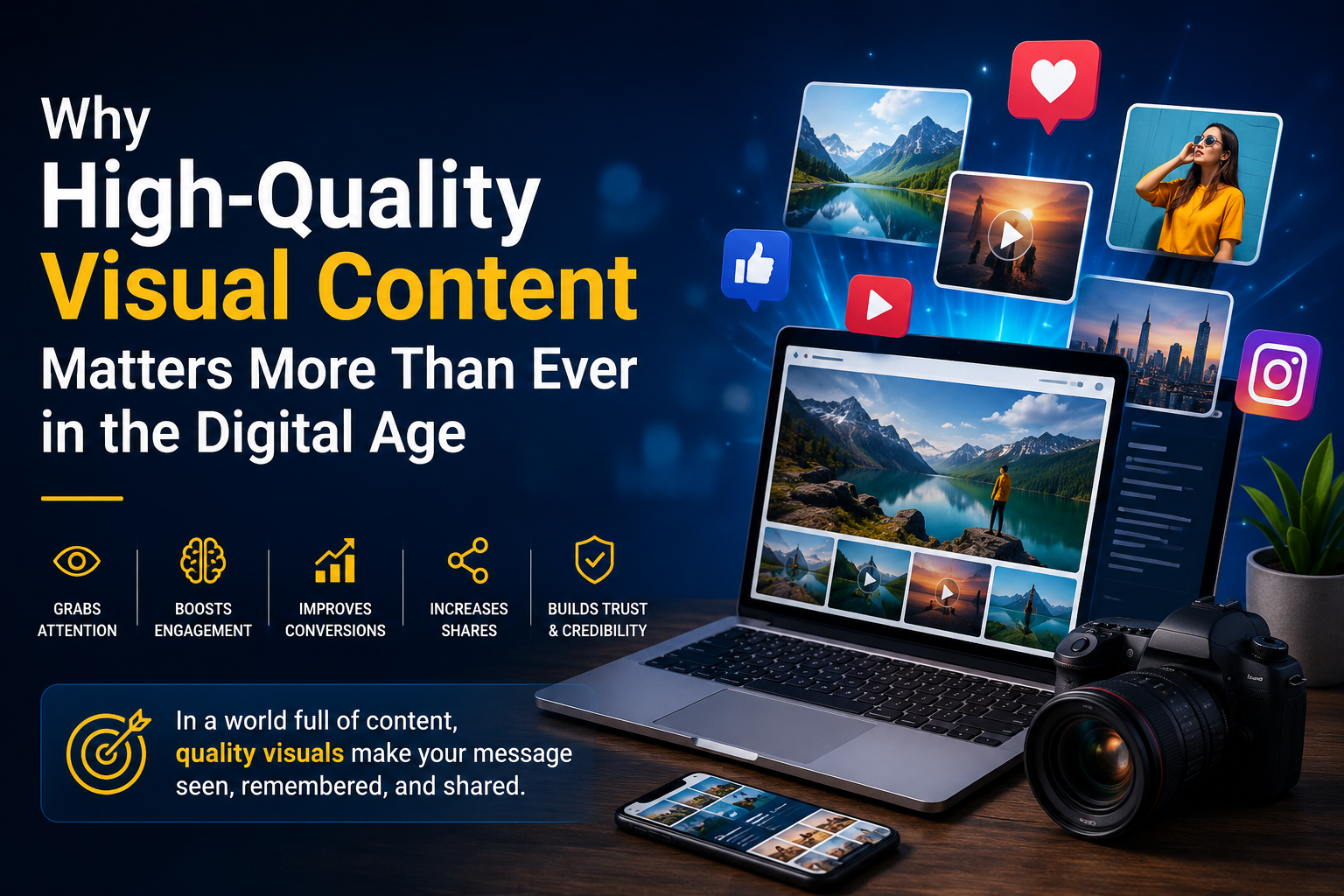

In a world where attention spans are measured in seconds, visual content has become one of the most powerful tools for communication. Whether you’re running a business, building a personal brand, managing a blog, or simply sharing moments on social media, the quality of your images can significantly influence how people perceive your message.
Think about the last time you visited a website with blurry photos or poorly optimized graphics. Chances are, it didn’t leave a strong impression. On the other hand, sharp, professional-looking visuals immediately create trust and credibility. As digital platforms become increasingly competitive, improving image quality is no longer a luxury it’s a necessity.
One of the easiest ways to elevate visual content today is by using an image enhancer. Modern enhancement tools allow creators, marketers, entrepreneurs, and everyday users to improve clarity, sharpen details, and transform ordinary photos into polished visuals without requiring advanced editing skills. This accessibility has made professional-quality imagery available to virtually everyone.
The Growing Importance of Visual Communication
Humans are naturally visual learners. Research consistently shows that people process images faster than text, making visuals an essential part of effective communication.
Businesses use images to:
- Showcase products
- Build brand identity
- Increase engagement
- Improve conversion rates
- Strengthen customer trust
Meanwhile, content creators rely on visuals to tell stories, attract audiences, and stand out in crowded digital spaces.
When images are clear, vibrant, and professionally presented, they help audiences connect with the message more effectively. Poor-quality visuals, however, can create friction and reduce credibility, even when the underlying content is valuable.
First Impressions Happen Fast
Studies often suggest that users form opinions about websites within moments of landing on a page. While design, navigation, and content all play important roles, images frequently create the first emotional response.
Imagine two online stores selling similar products. One features crisp, high-resolution photos that highlight product details. The other uses dark, pixelated images that fail to showcase quality.
Most customers will naturally gravitate toward the store that looks more professional.
The same principle applies across industries:
- Real estate listings
- Travel blogs
- E-commerce websites
- Educational platforms
- Professional portfolios
- Corporate websites
Visual presentation directly impacts trust.
Why Content Creators Need Better Images
Content creation has evolved dramatically over the last decade. Bloggers, YouTubers, influencers, educators, and small business owners now compete for attention in increasingly crowded markets.
Great content alone is not always enough.
Readers often decide whether to continue engaging based on visual appeal. A well-designed featured image can encourage clicks, while high-quality supporting visuals can improve retention and reader experience.
For example, a travel blogger documenting a memorable destination can create a much stronger impact when photos accurately capture colors, details, and atmosphere. Likewise, a food blogger benefits tremendously from images that make dishes look vibrant and appetizing.
Visual quality supports storytelling.
The Role of AI and Modern Enhancement Technology
One of the most exciting developments in digital content creation is the rise of AI-powered editing tools.
Traditionally, improving image quality required expensive software and significant editing expertise. Users needed to understand layers, sharpening techniques, color correction, and numerous technical settings.
Today, advanced technology has simplified the process.
Modern enhancement tools can automatically:
- Increase sharpness
- Improve lighting
- Reduce noise
- Restore details
- Enhance colors
- Optimize overall image quality
This allows creators to focus more on their message and less on complicated editing workflows.
Real-World Applications Across Industries
Image enhancement isn’t limited to professional photographers. It offers practical benefits across many sectors.
E-Commerce
Online shoppers cannot physically inspect products. High-quality product photography becomes the primary way to communicate value and quality.
Enhanced visuals can help customers see textures, colors, and features more clearly, potentially improving purchasing confidence.
Education
Educators increasingly rely on digital materials. Clear diagrams, presentations, and visual learning resources can improve comprehension and engagement.
Marketing
Marketing campaigns depend heavily on visual impact. Strong imagery helps brands attract attention and reinforce messaging across websites, email campaigns, and social platforms.
Small Businesses
Small businesses often operate with limited budgets. Affordable enhancement tools help them create professional-looking content without hiring large creative teams.
Common Image Problems That Hurt Engagement
Many creators unknowingly publish images that reduce the effectiveness of their content.
Some common issues include:
Blurriness
Blurry images can appear unprofessional and make important details difficult to see.
Poor Lighting
Dark or poorly lit photos often fail to communicate the intended message.
Low Resolution
Low-resolution images can appear pixelated, especially on larger screens.
Lack of Contrast
Flat images may fail to capture attention or convey depth.
Addressing these issues can dramatically improve overall content quality and audience perception.
Practical Tips for Better Visual Content
Even with powerful enhancement tools available, following a few best practices can maximize results.
Start With the Best Original Image Possible
While enhancement technology is impressive, better source images typically produce better outcomes.
Prioritize Consistency
Maintain a consistent visual style across your website, social channels, and marketing materials.
Optimize for Different Platforms
Images that look great on a desktop website may require adjustments for mobile devices or social media platforms.
Focus on Storytelling
Visuals should support your message rather than simply fill space. Every image should have a purpose.
Regularly Update Older Content
Refreshing older blog posts with improved visuals can enhance user experience and potentially increase engagement.
The Future of Visual Content
As digital experiences continue evolving, visual quality will only become more important. Consumers expect professional-looking content regardless of whether it comes from a major corporation or an independent creator.
The gap between amateur and professional content is narrowing because powerful creative tools are becoming more accessible. This creates exciting opportunities for businesses and individuals alike.
Those who invest in improving their visual presentation will be better positioned to capture attention, build trust, and communicate effectively in an increasingly competitive online landscape.
Conclusion
Visual content plays a crucial role in how audiences perceive information, brands, and online experiences. High-quality images can strengthen credibility, improve engagement, and help communicate messages more effectively across virtually every industry.
As technology continues making professional-grade editing accessible to everyone, there has never been a better time to prioritize visual excellence. Whether you’re a business owner, content creator, educator, or marketer, investing in better visuals can have a lasting impact on how your audience connects with your content and your brand.